Commercial Emergency Tree Removal for Safety in Anderson, SC: A Comprehensive Analysis
Introduction
In the heart of South Carolina lies the city of Anderson, a community that prides itself on its natural beauty and urban development. Commercial emergency tree removal for safety is a critical service that ensures the well-being of this dynamic environment. This article delves into the intricacies of this specialized field, exploring its historical context, significance, and the role it plays in maintaining public and private spaces. Readers will gain insights into the economic, technological, policy, and environmental aspects of commercial emergency tree removal, as well as its global impact, challenges, and future prospects.
Understanding Commercial Emergency Tree Removal for Safety Anderson SC
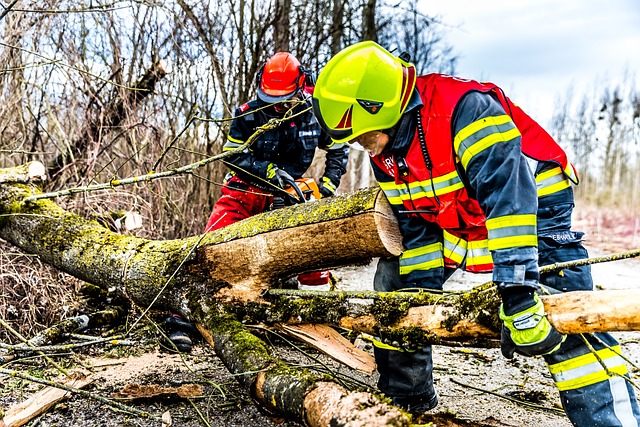
Commercial emergency tree removal for safety in Anderson, SC, is a specialized service that addresses the immediate and urgent removal of trees that pose a threat to life, property, or infrastructure due to their condition, size, or environmental factors. This service integrates various disciplines, including arboriculture, urban forestry, and hazardous tree assessment, to ensure safety and prevent potential disasters. Its core components involve rapid response, risk assessment, skilled labor, specialized equipment, and a thorough understanding of local flora and geography.
Historically, the practice of emergency tree removal has evolved alongside urbanization. As cities like Anderson grew, so did the need to manage trees that could become hazardous as they aged or were affected by weather events. Today, commercial emergency tree removal is a critical component of urban maintenance, disaster response, and community safety initiatives.
Global Impact and Trends
The impact of commercial emergency tree removal for safety extends beyond local borders, influencing global trends in environmental management, disaster preparedness, and public safety. Urban centers worldwide are grappling with similar challenges, as the effects of climate change heighten the risk of storms, pests, and diseases affecting trees. Key trends include the increasing integration of technology in tree assessment, the adoption of proactive maintenance strategies, and the growing recognition of the importance of urban green spaces for ecosystem health and community well-being.
Different regions face unique challenges, from the dense urban jungles of Europe to the rapidly growing cities of Asia. The demand for emergency tree removal services is influenced by factors such as climate, infrastructure density, land use patterns, and the prevalence of certain tree species. In Anderson, SC, the industry adapts to these global trends while addressing local needs, ensuring safety and sustainability in its urban forestry management.
Economic Considerations
The economic landscape of commercial emergency tree removal for safety is multifaceted. Market dynamics are driven by factors such as population growth, urban development, and increasing awareness of the risks associated with unstable or diseased trees. Investment patterns reflect a growing emphasis on proactive maintenance and the integration of advanced technologies to enhance service delivery.
From an economic standpoint, commercial emergency tree removal is not merely a reactive measure but a strategic investment in community safety and infrastructure preservation. It supports local economies by providing jobs and fostering the development of specialized skills. Moreover, it contributes to the overall health and longevity of urban ecosystems, which in turn supports property values and community cohesion.
Technological Advancements
Technology has transformed the field of commercial emergency tree removal for safety. Innovations such as LiDAR (Light Detection and Ranging) technology enable more precise assessments of tree conditions from a safe distance, reducing the risk to personnel. Drones are used for aerial surveys and mapping, providing a bird's-eye view of potential hazards. Advanced chippers and stump grinders have improved the efficiency of post-removal cleanup.
Looking ahead, the integration of artificial intelligence and machine learning could further revolutionize the industry by predicting tree failures and optimizing resource allocation for emergency responses. These advancements not only enhance safety but also contribute to more effective long-term forestry management.
Policy and Regulation
A robust policy and regulatory framework governs commercial emergency tree removal for safety in Anderson, SC. This includes local ordinances, state regulations, and national guidelines that dictate the procedures for tree removal, the handling of hazardous materials, and the protection of natural resources. These policies are designed to ensure public safety while maintaining environmental integrity.
The regulatory landscape also addresses the training and certification of professionals in the field, ensuring a high standard of expertise and ethical practice. Compliance with these regulations is essential for the sustainable management of urban forests and the prevention of unauthorized or unsafe tree removals.
Challenges and Criticisms
Despite its critical role, commercial emergency tree removal for safety faces numerous challenges and criticisms. These include concerns over environmental impacts, such as habitat disruption and the loss of biodiversity. There is also a need to balance public safety with the preservation of historical or significant trees. Additionally, the industry must contend with budgetary constraints, resource allocation, and public perception.
To overcome these issues, stakeholders can implement strategies such as community outreach programs, investment in preventive maintenance, and the development of sustainable practices that minimize environmental disruption. Collaboration between government agencies, private contractors, and community groups is essential to address these challenges effectively.
Future Prospects
The future of commercial emergency tree removal for safety in Anderson, SC, and beyond, is one of innovation, adaptation, and collaboration. As urban populations continue to grow, the demand for these services will increase. The industry must adapt to new environmental realities, embrace emerging technologies, and continue to evolve its policy framework to meet these challenges head-on.
Moreover, there is a growing recognition of the role that trees play in urban ecosystems, from air quality improvement to stormwater management. As such, future prospects for commercial emergency tree removal include a greater focus on holistic urban forestry management, integrating conservation and community engagement with safety and efficiency.
Conclusion
Commercial emergency tree removal for safety is an integral aspect of urban life in Anderson, SC, and globally. It encompasses a complex interplay of environmental stewardship, public safety, economic considerations, and technological innovation. As cities grow and the impacts of climate change intensify, the importance of this service will only increase. By addressing current challenges and embracing future opportunities, the industry can ensure that urban forests remain safe, sustainable, and beneficial for generations to come.